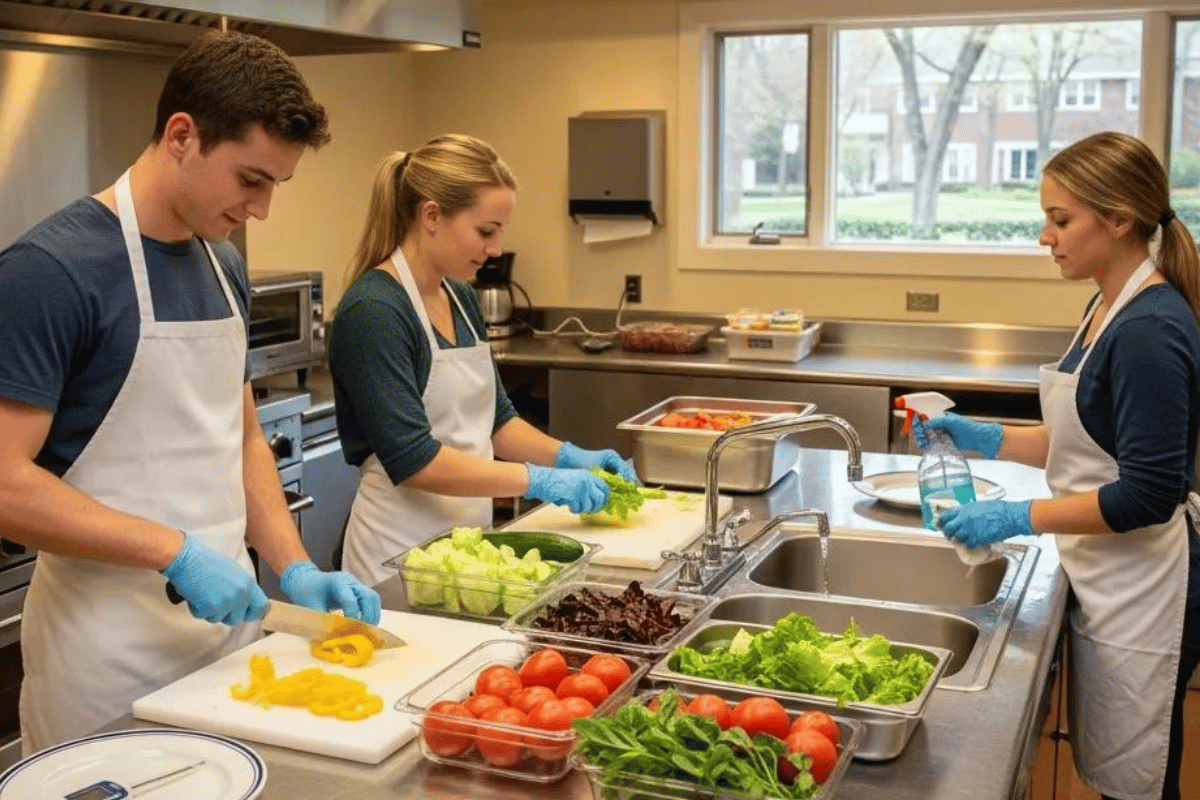
Food safety is a critical concern for Greek housing, where communal living and shared meal preparation can lead to unique challenges. This article provides a comprehensive guide on food safety regulations and sanitation practices specifically tailored for fraternities and sororities. Readers will learn about essential compliance requirements, effective kitchen sanitation protocols, and the importance of professional kitchen management. By following this checklist, Greek houses can ensure a safe dining environment, reduce liability, and promote the health of their members. The article will cover key regulations, sanitation tasks, the significance of ServSafe certification, managing dietary restrictions, and the role of professional kitchen management in maintaining food safety.
What Are the Essential Food Safety Regulations for Greek Housing?
Understanding food safety regulations is vital for Greek housing to ensure compliance and protect the health of residents. Key regulations include those set forth by the Department of Health Services (DHS), the Occupational Safety and Health Administration (OSHA), and local health department codes. Title 22 refers to California’s health and safety regulations for residential care facilities but is not broadly applicable to all Greek housing. The Joint Commission on Accreditation of Healthcare Organizations (JCAHO) primarily focuses on healthcare facilities and does not regulate food safety in Greek housing.
How Do JCAHO, DHS, OSHA, and Title 22 Impact Greek House Food Safety?
DHS sets health standards that must be met for food safety, while OSHA ensures that the workplace is safe for kitchen staff, addressing hazards that could lead to injuries. Local health departments enforce food safety regulations applicable to communal kitchens. Title 22 applies mainly to licensed residential care facilities in California and may not be relevant to most Greek houses. JCAHO does not regulate food safety in Greek housing. Compliance with applicable health and safety regulations is essential to avoid penalties and ensure the well-being of all residents.
What Should Greek Houses Expect During Food Safety Inspections?
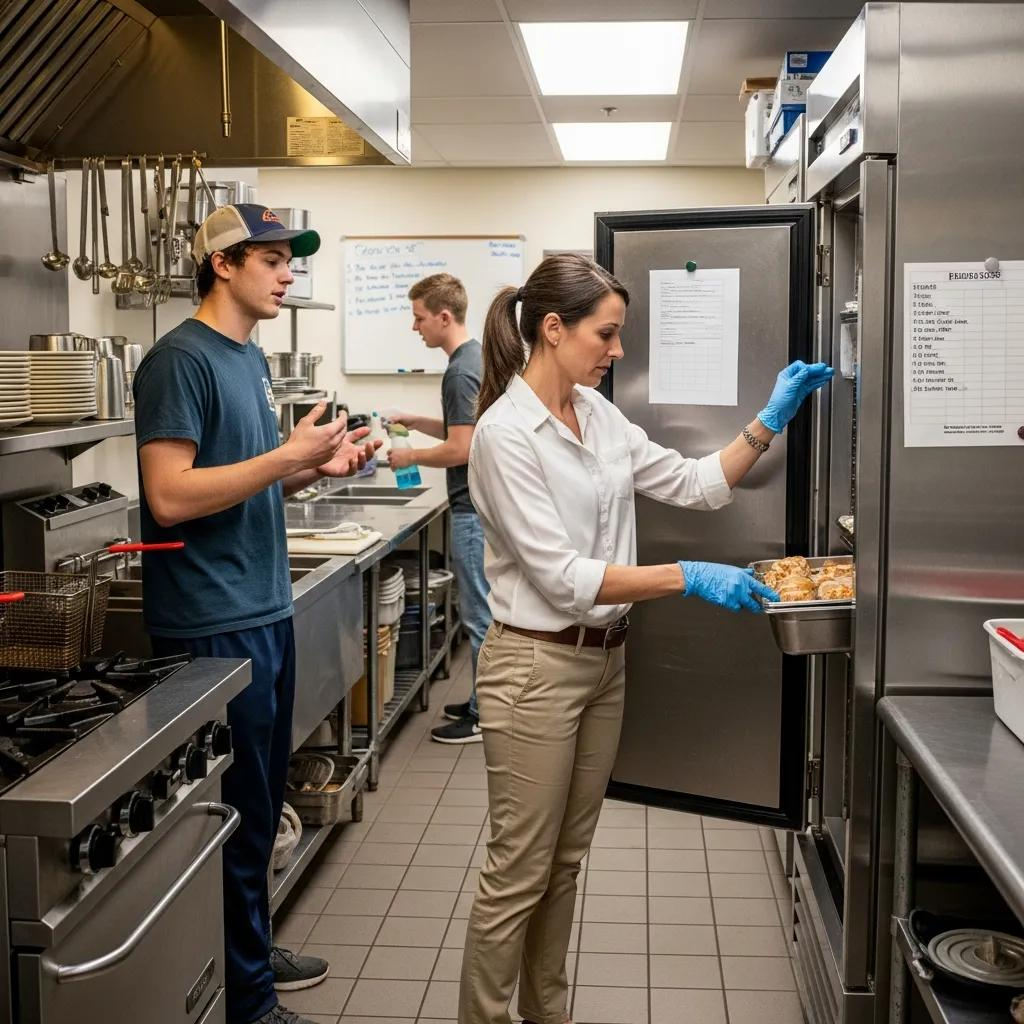
During food safety inspections, Greek houses should be prepared for a thorough evaluation of their food handling practices. Inspectors will assess compliance with health regulations, including proper food storage, sanitation practices, and staff training. Common inspection criteria include checking for cleanliness, verifying food temperatures, and ensuring that food is prepared in a safe environment. Greek houses that fail to meet these standards may face fines or other consequences, making it crucial to maintain high food safety standards at all times.
How Can Greek Housing Implement Effective Kitchen Sanitation Protocols?
Implementing effective kitchen sanitation protocols is essential for preventing foodborne illnesses in Greek housing. Regular cleaning and maintenance of kitchen facilities help ensure a safe environment for food preparation. Establishing a routine for sanitation tasks can significantly reduce the risk of contamination and promote overall health among residents.
What Are the Daily, Weekly, and Monthly Sanitation Tasks for Sorority and Fraternity Kitchens?
Greek houses should establish a comprehensive sanitation schedule that includes daily, weekly, and monthly tasks. Daily tasks may include:
- Cleaning surfaces: Wiping down countertops and tables with sanitizing solutions.
- Dishwashing: Ensuring all dishes and utensils are thoroughly cleaned and sanitized after use.
- Trash disposal: Emptying trash bins regularly to prevent odors and pest infestations.
Weekly tasks might involve:
- Deep cleaning appliances: Cleaning ovens, refrigerators, and microwaves to remove food residues.
- Floor maintenance: Mopping and disinfecting kitchen floors to eliminate spills and dirt.
Monthly tasks could include:
- Equipment checks: Inspecting kitchen equipment for proper functioning and cleanliness.
- Inventory management: Reviewing food supplies for expiration dates and proper storage conditions.
How to Prevent Cross-Contamination in Greek House Kitchens?
Preventing cross-contamination is crucial in maintaining food safety in Greek kitchens. Best practices include:
- Separate storage: Keeping raw and cooked foods in separate containers to avoid contamination.
- Designated cutting boards: Using different cutting boards for meats and vegetables to prevent cross-contact.
- Staff training: Educating kitchen staff on the importance of hygiene and proper food handling techniques.
By implementing these practices, Greek houses can significantly reduce the risk of foodborne illnesses and ensure a safe dining experience for all members.
The critical role of proper hygiene, particularly handwashing, in preventing pathogen transmission within communal environments is a well-documented concern.
Communal Hygiene Risks: Pathogen Transmission & Handwashing
Communal Bowl-Hand Rinsing (CB-HR), refers to more than one person washing their hands in one shared container of water, without soap and without changing the water between individuals, before meals. CB-HR has persisted in Africa despite decades of handwashing education during communicable disease epidemics, including Covid-19. We systematically reviewed the literature to provide a better understanding of the spread and motivations for the practice, its association with disease or pathogen transmission, and targeted interventions.
Good Intentions but bad outcomes–Communal-bowl hand-rinsing before meals transmits pathogens and diseases: a systematic review, EA Asamane, 2024
Why Is ServSafe Certification Critical for Greek House Chefs and Staff?
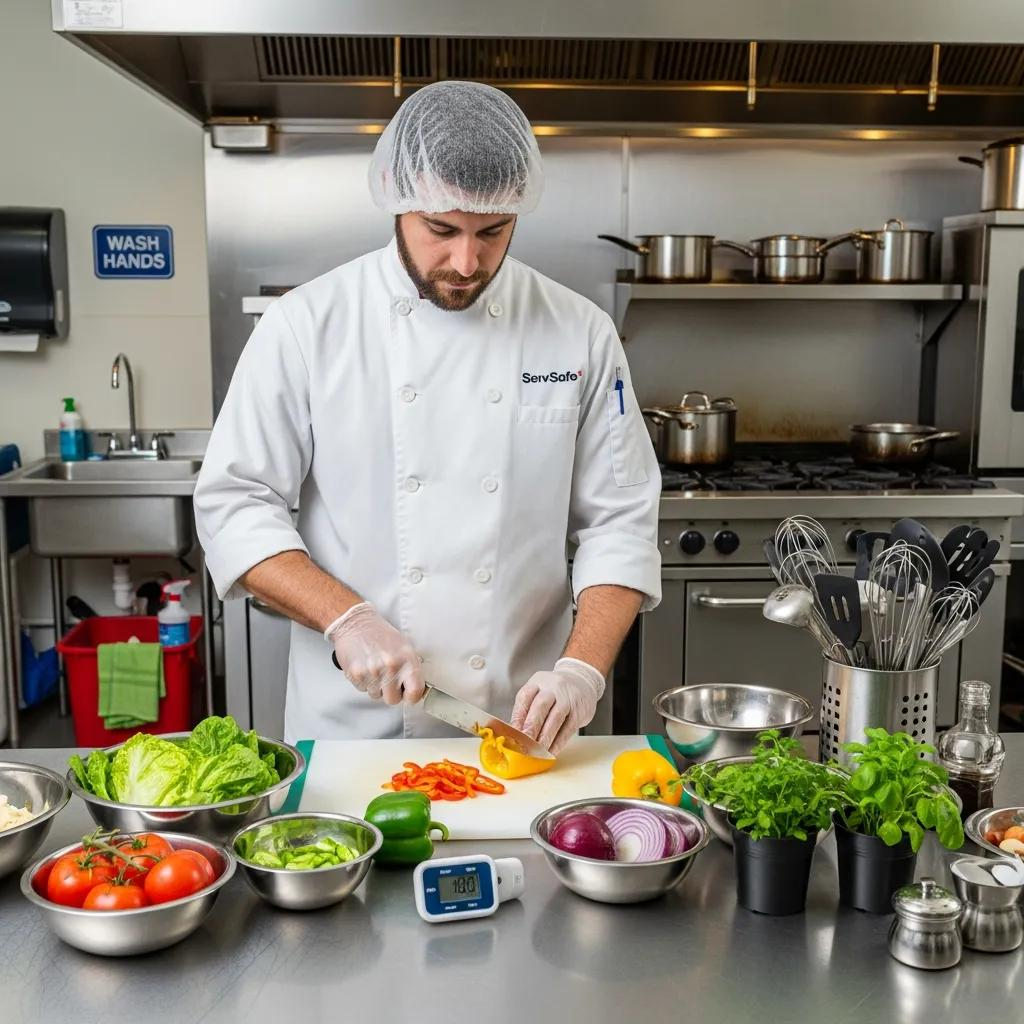
ServSafe certification is essential for kitchen staff in Greek housing, as it provides the necessary training to handle food safely. This certification program covers critical topics such as foodborne illnesses, safe food handling practices, and sanitation protocols. Having certified staff not only enhances food safety but also instills confidence among residents regarding their health and well-being.
What Training and Hygiene Practices Do ServSafe Certified Chefs Follow?
ServSafe certified chefs undergo rigorous training that emphasizes the importance of food safety and hygiene. Key practices include:
- Personal hygiene: Regular handwashing and maintaining clean uniforms to prevent contamination.
- Temperature control: Understanding the importance of cooking and storing food at safe temperatures to inhibit bacterial growth.
- Cleaning protocols: Following strict cleaning schedules to ensure all kitchen areas are sanitized regularly.
These practices are vital for maintaining a safe kitchen environment and reducing the risk of foodborne illnesses.
How Does ServSafe Certification Reduce Foodborne Illness Risks in Greek Housing?
Research indicates that establishments with ServSafe certified staff experience significantly lower rates of foodborne illnesses. Certified chefs are trained to recognize potential hazards and implement preventive measures effectively. By adhering to the guidelines set forth by the ServSafe program, Greek houses can create a safer dining environment, ultimately protecting the health of their members.
How to Manage Food Allergies and Dietary Restrictions in Greek Chapter Meals?
Managing food allergies and dietary restrictions is a critical aspect of food safety in Greek housing. With diverse dietary needs among members, it is essential to implement best practices to accommodate everyone.
What Are Best Practices for Allergen Management in Greek Housing Food Service?
To effectively manage allergens, Greek houses should adopt the following best practices:
- Clear labeling: Clearly label all food items containing common allergens such as nuts, dairy, and gluten.
- Staff training: Educate kitchen staff on allergen awareness and cross-contamination prevention.
- Communication: Encourage members to communicate their dietary restrictions to kitchen staff to ensure safe meal preparation.
By prioritizing allergen management, Greek houses can create a more inclusive dining experience for all members.
The importance of robust allergen management on college campuses, including Greek housing, is further underscored by recommendations for comprehensive dining service policies.
College Campus Allergen Control & Dining Service Policies This chapter describes best available recommendations for establishing policies to manage food allergens and gluten on college campuses. Providing safe and satisfying options to students with food allergies, celiac disease, and other dietary requirements is crucial as incoming students eat the majority of their meals in campus dining facilities. This requires the collaboration of multiple departments and staff to ensure that students with dietary concerns know about available resources on campus and can get the help they need. Tracking ingredients and allergens is essential and requires the diligence of dining staff at all stages of the food operation to ultimately deliver accurate information to consumers. Allergen Control for College and University Dining Service, 2017
How to Customize Menus to Accommodate Diverse Dietary Needs?
Customizing menus to accommodate diverse dietary needs involves understanding the specific restrictions of members. Greek houses can:
- Offer alternatives: Provide gluten-free, vegetarian, and vegan options to cater to various preferences.
- Engage members: Involve members in menu planning to ensure their dietary needs are met.
- Regular feedback: Solicit feedback on meal options to continuously improve menu offerings.
These strategies not only enhance member satisfaction but also promote a culture of inclusivity within the house.
What Role Does Professional Kitchen Management Play in Greek Housing Food Safety?
Professional kitchen management plays a vital role in ensuring food safety in Greek housing. By employing experienced kitchen managers and staff, Greek houses can maintain high standards of food safety and sanitation.
How Does College Cuisine Ensure Compliance and Reduce Liability for Greek Houses?
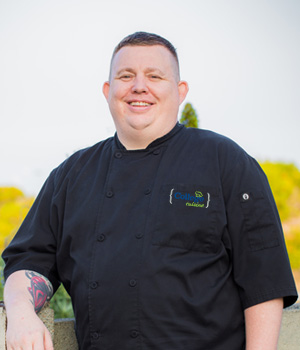
College Cuisine specializes in providing professional kitchen management services tailored for Greek housing. Their services include:
- ServSafe certified chefs: Hiring and managing chefs who are trained in food safety protocols.
- Regular inspections: Conducting routine sanitation checks to ensure compliance with health regulations.
- Customized menus: Developing meal plans that cater to the specific dietary needs of the house.
By partnering with College Cuisine, Greek houses can significantly reduce liability and ensure a safe dining environment for all members.
What Are the Advantages of Hiring ServSafe Certified Chefs Through Professional Providers?
Hiring ServSafe certified chefs through professional providers offers several advantages:
- Expertise: Certified chefs bring a wealth of knowledge regarding food safety and sanitation practices.
- Quality assurance: Professional providers ensure that all food is prepared and handled according to the highest safety standards.
- Peace of mind: Knowing that trained professionals are managing kitchen operations allows members to focus on their studies and social activities without worrying about food safety.
These benefits highlight the importance of professional kitchen management in maintaining a safe and healthy dining environment.
How to Develop and Use a HACCP Plan for Greek Chapter Kitchens?
A Hazard Analysis Critical Control Point (HACCP) plan is essential for identifying and managing food safety risks in Greek kitchens. This systematic approach helps ensure that food is prepared and served safely.
What Are the Critical Control Points in Greek Housing Food Safety?
Critical control points (CCPs) are specific stages in the food preparation process where hazards can be prevented, eliminated, or reduced. Key CCPs in Greek housing include:
- Receiving: Ensuring that food deliveries meet safety standards upon arrival.
- Storage: Monitoring temperatures in refrigerators and freezers to prevent spoilage.
- Cooking: Verifying that food is cooked to the appropriate internal temperatures to kill harmful bacteria.
By identifying and monitoring these CCPs, Greek houses can significantly reduce the risk of foodborne illnesses.
How to Implement and Maintain a HACCP Plan Effectively?
Implementing a HACCP plan involves several key steps:
- Conduct a hazard analysis: Identify potential hazards at each stage of food preparation.
- Establish critical limits: Set measurable criteria for each CCP to ensure safety.
- Monitor procedures: Regularly check that all processes are being followed according to the HACCP plan.
Maintaining the HACCP plan requires ongoing training for kitchen staff and regular reviews to adapt to any changes in food safety regulations or practices. By prioritizing food safety through a robust HACCP plan, Greek houses can create a safer dining environment for all members.