

In the dynamic environment of college life, managing food services in Greek houses presents unique challenges. This article explores the innovative solutions that modern Greek house food programs can implement to enhance meal management, particularly focusing on late plates, food allergies, and the integration of menu apps. Readers will learn how professional kitchen management can streamline operations, reduce liability, and improve member satisfaction. The discussion will cover effective strategies for managing late plates, implementing food allergy protocols, leveraging technology for menu engagement, and budgeting practices that ensure cost-effectiveness. By addressing these key areas, Greek houses can create a more efficient and inclusive dining experience for their members.
How Does Professional Kitchen Management Enhance Greek House Food Programs?
Professional kitchen management plays a crucial role in enhancing food programs within Greek houses. By employing ServSafe certified chefs, these programs ensure that meals are prepared under strict health and safety standards, which is vital for maintaining the well-being of all members. This management approach not only improves the quality of meals but also streamlines operations, allowing fraternity and sorority leaders to focus on other responsibilities. Furthermore, professional kitchen management reduces liability by ensuring compliance with health regulations, thus protecting the organization from potential legal issues.
What Are the Benefits of ServSafe Certified Chefs in Fraternity and Sorority Kitchens?
ServSafe certified chefs bring a wealth of knowledge and expertise to fraternity and sorority kitchens. Their training ensures that food safety standards are met, significantly reducing the risk of foodborne illnesses. Additionally, these chefs are skilled in preparing high-quality meals that cater to diverse dietary preferences, enhancing the overall dining experience. The presence of certified professionals also instills confidence among members and parents, knowing that their health is prioritized in meal preparation.
The widespread adoption and often mandated nature of ServSafe certification further underscore its critical role in ensuring food safety across the industry.
ServSafe Manager Certification for Foodservice
Most states in the US mandate that professional foodservice establishments must have at least one ServSafe® Manager certified.
Enhancing food safety and sanitation education: Developing an immersive learning platform using virtual simulation, M Traynor, 2025
The importance of such certifications in ensuring food safety and quality in educational settings has been a subject of academic study.
ServSafe Certification: Food Safety for Hospitality Programs
This study analyzed the memory retention of University of Kentucky Dietetic and Hospitality students as it relates to food safety and sanitation knowledge originally presented on the ServSafe® certification exam. Dietetic and hospitality students take the ServSafe® certification course during the sophomore year of their degree program, but they are responsible for the sanitation and food safety information throughout their entire program of undergraduate study.
ServSafe® Exam: Student’s Memory Retention Two Years Later, 2015
How Does College Cuisine Reduce Liability and Operational Costs for Greek Houses?
College Cuisine specializes in managing kitchen operations for Greek houses, effectively reducing both liability and operational costs. By taking charge of staff management, payroll, and compliance with health regulations, College Cuisine alleviates the burden on fraternity and sorority leaders. This outsourcing model not only minimizes the risk of legal issues but also allows organizations to allocate resources more efficiently, ultimately leading to cost savings. While specific case studies are proprietary, Greek houses utilizing professional kitchen management often report lower operational costs and improved member satisfaction.
What Are Effective Strategies for Managing Late Plates in Greek Life Dining?
Managing late plates is a common challenge in Greek life dining, where members may have varying schedules and commitments. Implementing effective strategies can streamline meal requests and ensure that no one goes hungry. Technology plays a pivotal role in this process, with late plate apps providing a user-friendly platform for members to request meals after regular dining hours. These systems enhance communication and efficiency, making it easier for kitchen staff to prepare and deliver meals on demand.
How Do Late Plate Apps Streamline Meal Requests for Fraternities and Sororities?
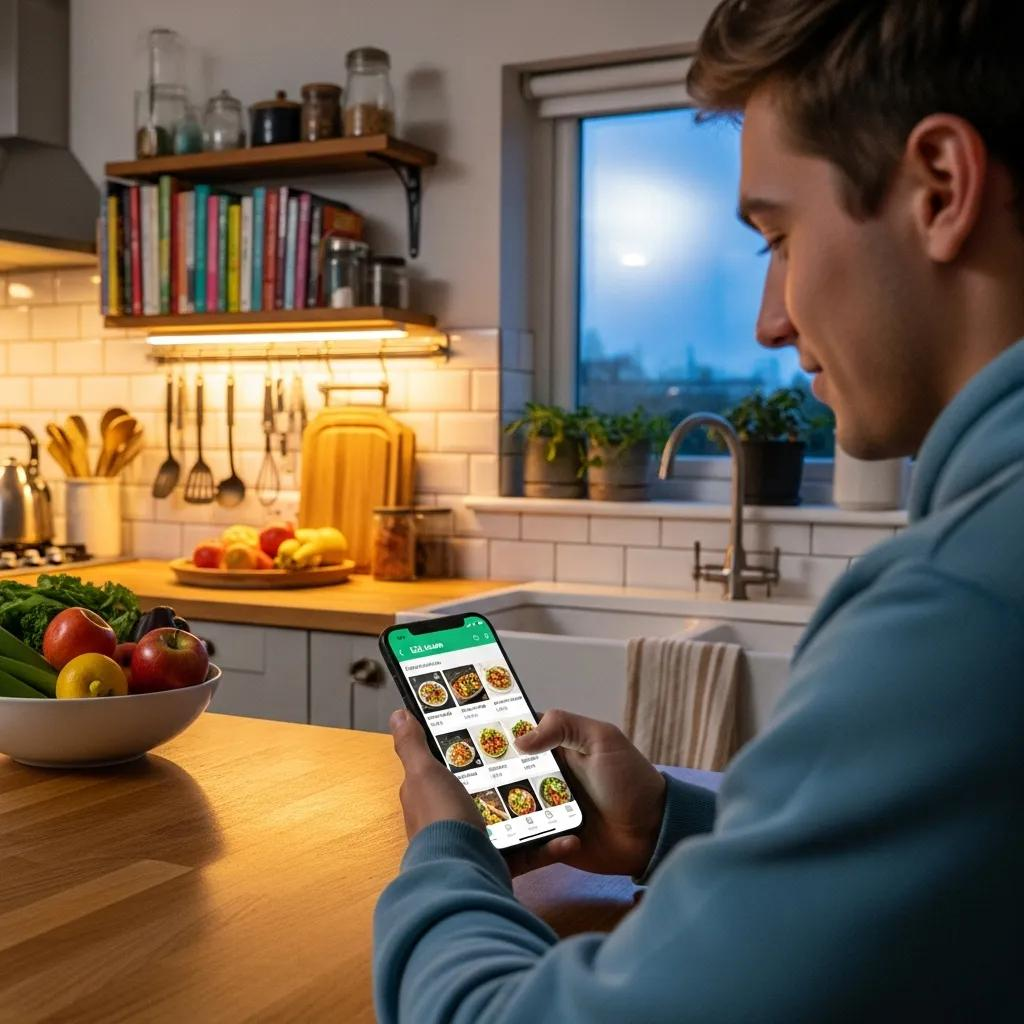
Late plate apps are designed to simplify the process of meal requests for fraternity and sorority members. By allowing users to place orders directly from their smartphones, these apps eliminate the need for manual requests and reduce the chances of miscommunication. The ease of use and accessibility of these applications lead to higher member satisfaction, as students can conveniently order meals that fit their schedules. Additionally, the data collected through these apps can help kitchen staff better understand member preferences and adjust meal offerings accordingly.
What Are the Advantages of Digital Late Plate Management Systems Compared to Traditional Methods?
Digital late plate management systems offer several advantages over traditional methods. Firstly, they significantly speed up the meal request process, allowing for quicker service and reduced wait times. Secondly, these systems minimize errors in order fulfillment, as members can directly input their requests. Lastly, digital platforms often include feedback mechanisms, enabling kitchen staff to gather insights on member satisfaction and make necessary adjustments to improve the dining experience.
How Is Food Allergy Management Implemented in Modern Greek House Meal Plans?
Food allergy management is a critical aspect of modern Greek house meal plans, ensuring that all members can dine safely and comfortably. Implementing effective protocols is essential for identifying and accommodating individuals with food allergies. Professional chefs are trained to handle allergens properly, preventing cross-contamination and ensuring that meals are safe for consumption. This proactive approach not only protects members but also fosters an inclusive dining environment.
What Protocols Ensure Safe Dining for Students with Allergies in Greek Houses?
To ensure safe dining for students with allergies, Greek houses must establish clear protocols. These include thorough training for kitchen staff on allergen management, clear labeling of food items, and open communication with members regarding their dietary restrictions. Regular meetings with members to discuss allergies and preferences can also enhance safety and satisfaction. By prioritizing these protocols, Greek houses can create a dining experience that is both safe and enjoyable for all.
Effective food allergy management relies on a comprehensive strategy that integrates kitchen controls, staff training, and clear communication.
Food Allergy Management in Dining: Kitchen Controls & Staff Training
an integrated approach that combines strict kitchen controls with continuous staff education, such as structured training programs like ServSafe Allergens and FARECheck, along with the implementation of clear communication channels and advanced technological solutions for allergen tracking and menu labeling.
Managing Food Allergies in Dining Establishments: Challenges and Innovative Solutions, GN Konstantinou, 2025
How Do Professional Chefs Accommodate Diverse Dietary Restrictions in Sorority and Fraternity Menus?
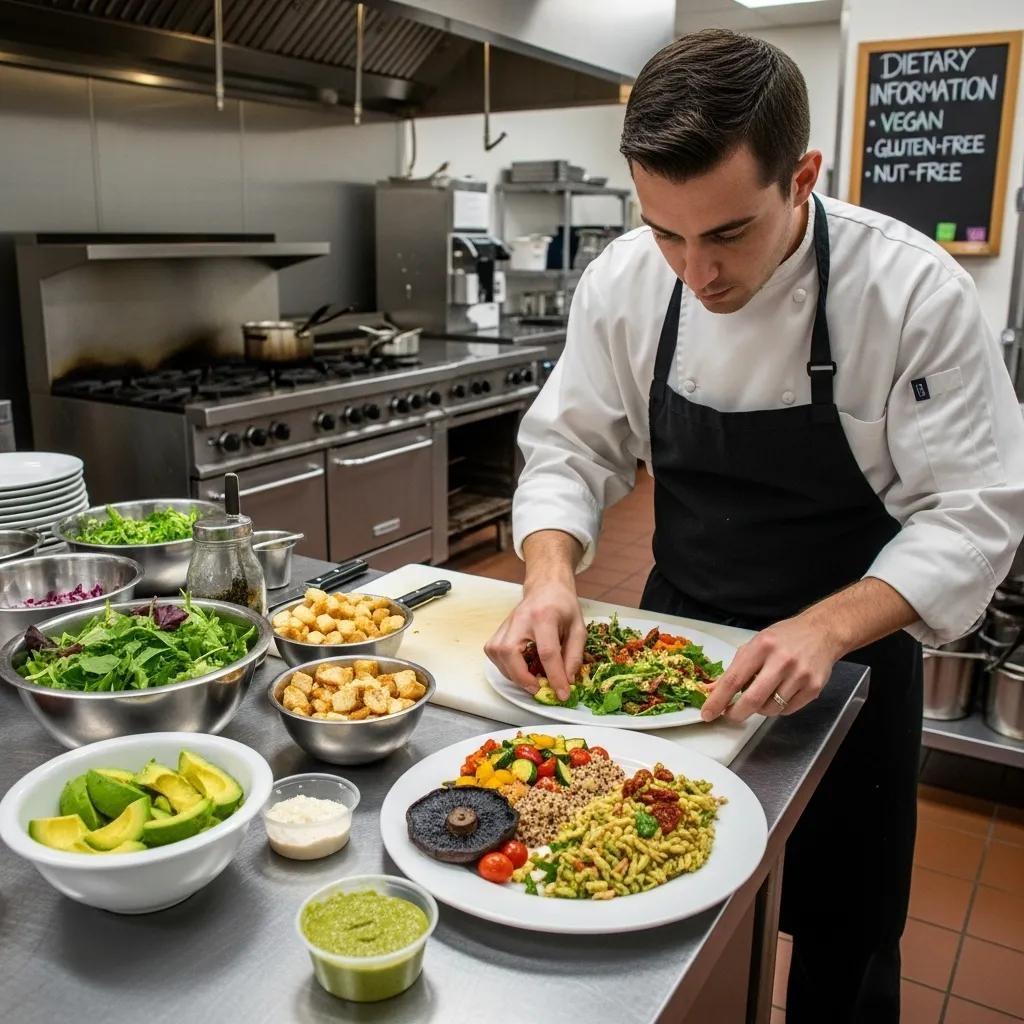
Professional chefs play a vital role in accommodating diverse dietary restrictions within sorority and fraternity menus. They are skilled in creating customized meal plans that cater to various needs, including vegetarian, vegan, gluten-free, and other dietary preferences. By actively seeking feedback from members, chefs can adjust menus to ensure that all individuals feel included and satisfied with their dining options. This level of customization not only enhances member satisfaction but also promotes a sense of community within the house.
Further research highlights the importance of analyzing the nutritional content of sorority meals to ensure members receive adequate nutrients.
Sorority Meal Nutrient Content & Menu Analysis
The purpose of this study is to analyze nutrient content of sorority meals and determine if members are able to obtain adequate amounts of nutrients from the foods offered. A menu analysis was performed in three representative sorority houses at the University of Mississippi.
A Menu Analysis of Sorority Meals at the University of Mississippi, 2011
Understanding the nutritional content and dietary choices within sorority meal plans is crucial for promoting healthy eating habits among members.
Sorority Meal Analysis: Nutrition & Dietary Choices
Students transitioning to university life face numerous challenges including the problem of making healthy dietary choices. Sorority members are uniquely suited to examining dietary habits because of their access to regular planned meals and because of the social stresses they experience in regards to body image. Menus are not required to follow nutrient specific guidelines and the nutrient content of sorority meals has not been evaluated at the University of Mississippi. The purpose of this study is to analyze nutrient content of sorority meals and determine if members are able to obtain adequate amounts of nutrients from the foods offered.
A Menu Analysis of Sorority Meals at the University of Mississippi, 2011
How Can Technology Improve Menu Engagement and Dietary Accommodation in Greek House Food Programs?
Technology has the potential to significantly enhance menu engagement and dietary accommodation in Greek house food programs. By utilizing digital menu boards and interactive apps, Greek houses can provide real-time updates on meal offerings and allow members to provide feedback on their dining experiences. This engagement fosters a sense of ownership among members and encourages them to participate actively in meal planning.
What Features Should a Greek House Menu App Include for Optimal User Experience?
A well-designed Greek house menu app should include several key features to optimize user experience. These features may include a user-friendly interface, customizable meal options, and the ability to provide feedback on meals. Additionally, integrating nutritional information and allergen alerts can help members make informed choices about their dining options. By prioritizing these features, Greek houses can enhance member satisfaction and engagement with their meal programs.
How Do Digital Menu Boards and Feedback Tools Enhance Member Satisfaction?
Digital menu boards and feedback tools are effective ways to enhance member satisfaction in Greek house dining. These tools provide visual appeal and real-time updates on meal offerings, making it easier for members to make informed choices. Feedback tools allow members to share their dining experiences, enabling kitchen staff to make necessary adjustments based on member preferences. This continuous loop of communication fosters a positive dining environment and encourages members to engage with the meal program actively.
What Are Cost-Effective Meal Plan Budgeting Practices for Fraternities and Sororities?
Cost-effective meal plan budgeting is essential for fraternities and sororities to manage their dining services efficiently. By implementing strategic budgeting practices, Greek houses can ensure that they provide quality meals while staying within financial constraints. This involves careful planning and monitoring of food costs, labor expenses, and overall budget allocation.
How Does Outsourced Kitchen Management Reduce Food and Labor Costs for Greek Chapters?
Outsourced kitchen management can significantly reduce food and labor costs for Greek chapters. By partnering with professional kitchen management services like College Cuisine, Greek houses can benefit from economies of scale, which lead to lower food prices and reduced labor expenses. This approach allows organizations to focus on their core activities while ensuring that their dining services are managed efficiently and cost-effectively.
What Role Does Transparent Billing Play in Greek House Dining Provider Relationships?
Transparent billing is crucial for maintaining positive relationships between Greek houses and their dining providers. Clear and detailed billing practices help build trust and ensure that there are no hidden fees or unexpected costs. By fostering open communication regarding expenses, Greek houses can create a more collaborative environment with their dining service providers, ultimately leading to improved satisfaction and long-term partnerships.
Why Choose College Cuisine for Modern Greek House Food Service Needs?
Choosing the right food service provider is essential for Greek houses looking to enhance their dining programs. College Cuisine stands out as a premier option, offering tailored solutions that meet the unique needs of fraternities and sororities. Their expertise in kitchen management and commitment to quality ensure that members receive nutritious and delicious meals.
What Unique Value Propositions Does College Cuisine Offer to Fraternities and Sororities?
College Cuisine offers several unique value propositions to fraternities and sororities. Their focus on customized meal plans allows Greek houses to cater to diverse dietary needs, ensuring that all members feel included. Additionally, their team of ServSafe certified chefs guarantees high-quality meal preparation, while their comprehensive management services reduce operational burdens for house leaders. This combination of quality and convenience makes College Cuisine an ideal partner for Greek houses.
How Does College Cuisine Ensure Seamless Transitions and Localized Support for Greek Houses?
College Cuisine prioritizes seamless transitions and localized support for Greek houses. Their experienced team works closely with each organization to ensure a smooth onboarding process, minimizing disruptions to dining services. Ongoing support and communication help maintain high standards and address any concerns that may arise, fostering a positive relationship between College Cuisine and the Greek house community.
| Strategy | Attribute | Value |
|---|---|---|
| Professional Kitchen Management | Certified Chefs | Enhanced food safety and quality |
| Late Plate Apps | User-Friendly Interface | Streamlined meal requests |
| Allergy Protocols | Staff Training | Safe dining for all members |
This table illustrates how various strategies contribute to the overall effectiveness of Greek house food programs, highlighting the importance of professional management and technology integration in enhancing member satisfaction.