

As spring break approaches, institutional kitchens face unique challenges in meal planning and budget management. With fluctuating attendance and increased food waste, it becomes crucial to develop effective strategies that ensure meals are scaled down without compromising quality or exceeding budget constraints. This article will explore key challenges, effective meal scaling strategies, and practical tips for optimizing kitchen budgets during this busy period. By understanding the dynamics of spring break meal planning, kitchen managers can implement solutions that not only reduce waste but also enhance operational efficiency.
In this guide, we will cover the key challenges in spring break meal planning, the impact of reduced diner counts on budget management, and effective strategies for scaling meals. Additionally, we will discuss cost-effective menu design techniques, budget control tips, and how to integrate food waste reduction into kitchen planning. Finally, we will provide practical examples and case studies to illustrate successful meal scaling strategies.
What Are the Key Challenges in Spring Break Meal Planning for Institutional Kitchens?
Institutional kitchens encounter several challenges during spring break meal planning. Fluctuating attendance is a primary concern, as many students and staff may be away, leading to unpredictable diner counts. This variability complicates meal preparation and can result in overproduction, which directly impacts food waste. Additionally, budget constraints become more pronounced as kitchens strive to maintain quality while managing reduced resources. Understanding these challenges is essential for developing effective strategies that address the unique needs of institutional kitchens during this period.
How Does Reduced Diner Count Impact Kitchen Budget Management?
A reduced diner count significantly affects kitchen budget management. With fewer diners, the cost per meal often increases, necessitating precise budgeting to avoid overspending. This situation requires kitchen managers to closely monitor food purchasing and adjust their procurement strategies accordingly. By understanding the financial implications of fluctuating attendance, kitchens can implement more effective budgeting practices that align with actual demand, ultimately leading to better financial outcomes.
What Food Waste Issues Arise During Spring Break Periods?
Food waste is a critical issue that arises during spring break periods. Common problems include over-preparation of meals, which occurs when kitchens anticipate higher attendance than actually materializes. Inaccurate demand forecasting can lead to significant waste, as can increased spoilage due to longer storage times for perishable items. Addressing these food waste issues is vital for maintaining budget efficiency and promoting sustainability within institutional kitchens.
Indeed, accurate demand forecasting is a critical factor in mitigating food waste, as supported by recent studies.
Demand Forecasting to Reduce Food Waste
The main cause of food waste is poor demand forecasting and so it is crucial to develop accurate models to improve these forecasts. The present work proposes four models meant to help food catering services predict food demand and consequently reduce food waste.
Machine learning models for short-term demand forecasting in food catering services: A solution to reduce food waste, M Rodrigues, 2024
Which Meal Scaling Strategies Optimize Portion Control Without Wasting Budget?
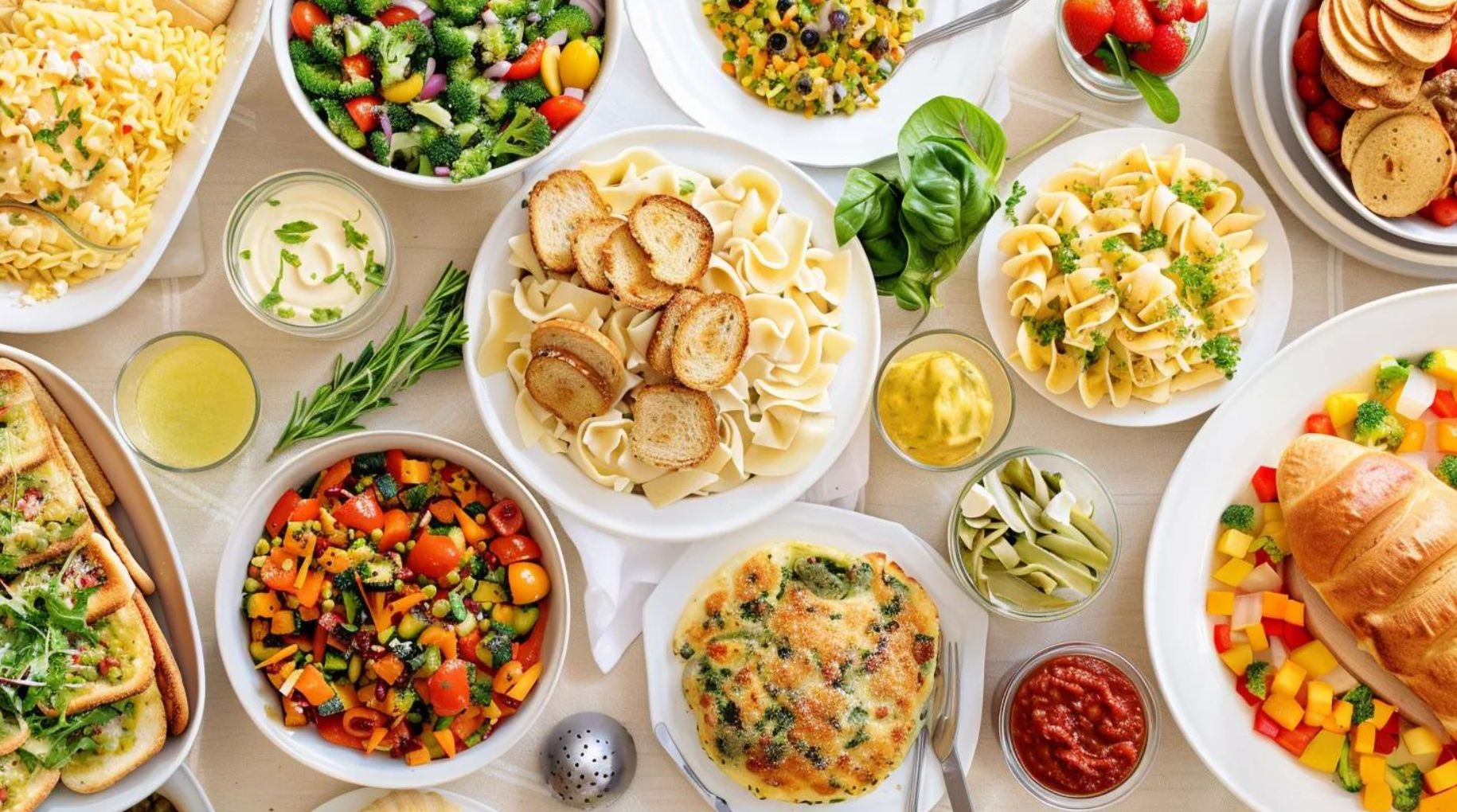
Effective meal scaling strategies are essential for optimizing portion control while minimizing waste. Customized meal plans that consider actual attendance can help ensure that food production aligns with demand. Implementing portion control techniques, such as using standardized serving sizes and engaging diners for feedback, can further enhance efficiency. Additionally, utilizing data from previous years can inform better planning and reduce the likelihood of overproduction.
Research highlights the importance of understanding portion control for effective resource management and waste reduction.
Portion Control in Professional Food Service
Having a better analytical understanding of portion control is crucial for managing food resources effectively and minimizing waste in the food service sector. This study explores professionals’ practices in providing an “adequate portion” within a professional kitchen setting.
What is enough on a plate? Professionals’ practices of providing an “adequate portion” in the food service sector, 2021
College Cuisine by Kitchen Management Solutions, Inc. specializes in professional kitchen management services tailored for educational and organizational institutions. Their expertise can assist in developing customized meal plans and implementing effective portion control techniques that align with budgetary constraints.
How to Adjust Meal Portions Based on Fluctuating Attendance?
Adjusting meal portions based on fluctuating attendance requires a proactive approach. Monitoring attendance trends is crucial for making informed decisions about meal preparation. Flexible menu options that can be easily scaled up or down based on expected diner counts can help kitchens adapt quickly. Engaging with diners to gather feedback on portion sizes can also provide valuable insights that inform future meal planning.
What Are Cost-Effective Menu Design Techniques for Spring Break?
Cost-effective menu design techniques can significantly impact budget management during spring break. Utilizing seasonal ingredients not only reduces costs but also enhances the freshness and quality of meals. Simplified recipes that require fewer ingredients can streamline preparation and minimize waste. Additionally, bulk purchasing of staple items can lead to significant savings, allowing kitchens to allocate resources more effectively.
Beyond cost savings, strategic menu design also offers opportunities to enhance nutritional quality and promote sustainability.
Strategic Optimization of Institutional Food Menus
Strategic optimization of institutional food menus can substantially enhance nutritional quality, reduce environmental impact, and maintain affordability. Military universities and other public institutions can serve as platforms to promote sustainable eating habits and support national health and climate goals.
Developing optimal sustainable menus: a guide based on university menus in Tehran Province, K Irankhah, 2025
How Can Kitchen Budget Management Improve Operational Efficiency During Spring Break?
Effective kitchen budget management plays a crucial role in improving operational efficiency during spring break. Streamlined operations can be achieved by closely monitoring expenses and adjusting purchasing strategies based on actual demand. Reducing overhead costs through efficient resource allocation can enhance service quality and ensure that kitchens operate within their financial means. By prioritizing budget management, kitchens can maintain high standards while navigating the challenges of spring break.
What Budget Control Tips Reduce Food Costs in Institutional Kitchens?
Implementing budget control tips can help reduce food costs in institutional kitchens. Key strategies include:
- Inventory Management: Regularly auditing inventory can prevent over-purchasing and reduce waste.
- Supplier Negotiations: Building strong relationships with suppliers can lead to better pricing and terms.
- Meal Planning Adjustments: Adapting meal plans based on attendance forecasts can help align food production with actual demand.
These strategies can significantly enhance budget control and contribute to overall kitchen efficiency.
How Does Inventory Optimization Support Cost Reduction?
Inventory optimization is a critical component of cost reduction in institutional kitchens. By minimizing waste through careful inventory management, kitchens can ensure that food remains fresh and costs are kept in check. Implementing systems that track inventory levels and expiration dates can help kitchens make informed purchasing decisions. Additionally, sourcing ingredients from cost-effective suppliers can further enhance budget efficiency.
What Are Practical Examples and Case Studies of Successful Spring Break Meal Scaling?
Practical examples and case studies of successful spring break meal scaling can provide valuable insights for kitchen managers. Institutions that have implemented customized meal plans based on historical attendance data have reported significant reductions in food waste and improved budget management. For instance, a university dining service that adjusted its meal offerings based on student feedback and attendance patterns saw a 30% decrease in food waste during the spring break period.
Which Sample Menus Demonstrate Effective Meal Scaling Techniques?
Sample menus that demonstrate effective meal scaling techniques can serve as a useful reference for kitchen managers. These menus should include a variety of options that cater to different dietary needs while remaining cost-effective. For example, a menu featuring seasonal vegetables, whole grains, and lean proteins can provide nutritious meals without exceeding budget constraints. Additionally, offering flexible portion sizes can help accommodate varying appetites and reduce waste.
How Can Food Waste Reduction Be Integrated Into Spring Break Kitchen Planning?
Integrating food waste reduction strategies into spring break kitchen planning is essential for promoting sustainability. Planning for demand by analyzing historical data can help kitchens better anticipate needs and minimize overproduction. Engaging diners through surveys and feedback mechanisms can also provide insights into preferences, allowing kitchens to tailor offerings accordingly. By prioritizing waste reduction, kitchens can enhance their operational efficiency and contribute to environmental sustainability.
What Metrics Track Food Waste During Reduced Service Periods?
Tracking food waste during reduced service periods requires the implementation of specific metrics. Key metrics include:
- Waste Audits: Regularly assessing the amount and type of food waste can identify areas for improvement.
- Feedback from Staff: Gathering insights from kitchen staff can help pinpoint inefficiencies in food preparation and service.
- Data Analysis: Analyzing waste data over time can reveal trends and inform future planning.
These metrics can provide valuable information that supports continuous improvement in waste management practices.
Which Strategies Minimize Leftovers and Excess Inventory?
Minimizing leftovers and excess inventory is crucial for maintaining budget efficiency. Strategies to achieve this include:
- Customized Meal Plans: Tailoring meal offerings to match expected attendance can reduce overproduction.
- Regular Feedback: Engaging diners for feedback on portion sizes can help adjust offerings to better meet demand.
- Portion Control Training: Training staff on portion control techniques can ensure that meals are served in appropriate sizes.
Implementing these strategies can lead to significant reductions in food waste and improved budget management.
What Tools and Resources Support Spring Break Meal Planning and Budget Control?
Utilizing tools and resources that support spring break meal planning and budget control can enhance operational efficiency. Key resources include:
- Meal Planning Software: Tools that assist in menu design and portion control can streamline planning processes.
- Budget Tracking Tools: Software that monitors expenses can help kitchens stay within budget.
- Resource Guides: Guides that provide best practices for meal planning and waste reduction can serve as valuable references.
These tools can empower kitchen managers to make informed decisions that align with budgetary constraints.
How Do Interactive Meal Planners and Infographics Enhance Planning?
Interactive meal planners and infographics can significantly enhance planning processes in institutional kitchens. These tools promote user engagement and facilitate visual learning, making it easier for staff to understand meal planning concepts. By providing clear, visual representations of meal options and portion sizes, kitchens can improve communication and streamline decision-making processes. This efficiency ultimately contributes to better budget management and reduced food waste.
What Structured Data and FAQ Formats Improve Content Accessibility?
Implementing structured data formats can improve content accessibility for institutional kitchens. Utilizing schema.org for menu items and meal plans can enhance visibility in search engines, making it easier for users to find relevant information. Additionally, incorporating FAQ formats can address common questions and concerns related to meal planning and budget management. This approach not only improves user experience but also supports effective communication of key concepts.
To further enhance your kitchen management strategies, consider exploring the services offered by College Cuisine. They provide tailored solutions for educational and organizational institutions.
For more information on how to optimize your kitchen operations, visit College Cuisine. Their expertise can help you streamline processes and reduce costs.
Planning effective menus is crucial for managing costs and ensuring nutritional balance. College Cuisine offers a variety of menu options to suit different needs.